Blog
What the Diabetes Prevention Program Found, in Numbers You Can Use
The Diabetes Prevention Program tested lifestyle change in adults at high risk. Aiming for 7% weight loss and 150 minutes of exercise a week cut the risk of type 2 diabetes by 58% versus placebo, and by 71% in people 60 and older. Metformin cut risk by 31% (NIDDK, Diabetes Prevention Program). No supplement, Olivaro included, has results like these.
Written by the Olivaro research deskUpdated · 8 min read
The result
What did the Diabetes Prevention Program find?
58%. That is how much the lifestyle group lowered its risk of developing type 2 diabetes, compared with placebo (NIDDK, Diabetes Prevention Program).
The Diabetes Prevention Program, or DPP, is a large NIH-funded study. It asked a simple question. Can people at high risk delay or prevent type 2 diabetes?
The answer was yes, for many of them. Two plain goals did most of the work: lose 7% of body weight, and get 150 minutes of exercise each week (NIDDK, Diabetes Prevention Program).
The benefit was even larger with age. In people 60 and older, the lifestyle goals cut risk by 71% (NIDDK, Diabetes Prevention Program). Older adults often assume change matters less for them. The DPP numbers say the opposite.
Side by side
How did lifestyle change compare with metformin?
Lifestyle change came out ahead. The metformin group lowered risk by 31%, while the lifestyle group lowered it by 58% (NIDDK, Diabetes Prevention Program).
| Group | What they did | Lower risk of type 2 diabetes |
|---|---|---|
| Lifestyle, all ages | Aimed for 7% weight loss and 150 minutes of exercise a week | 58% vs placebo |
| Lifestyle, age 60 and older | Same two goals | 71% vs placebo |
| Metformin | Took the prescription drug | 31% vs placebo |
| Placebo | Took a dummy pill | The comparison group |
| Any dietary supplement | Not tested in the DPP | No data |
Read the last row with care. The DPP did not test herbs, minerals or drops. Any claim that a supplement "works like" these results has no DPP data behind it.
Metformin is a prescription medicine. Whether it fits you is a decision for you and your doctor, not for a blog or a sales page.
In practice
What did the lifestyle goals look like week to week?
Two numbers set the pace: 150 minutes of exercise every week, and slow progress toward 7% weight loss (NIDDK, Diabetes Prevention Program). The NIDDK summary gives the goals, not a session-by-session schedule, so the steps below translate those goals into a plain weekly routine.
- 01
Move 150 minutes
30 minutes on 5 days covers it. So do three 10-minute walks on 5 days.
- 02
Aim for 7%
For a 200-pound adult, 7% is 14 pounds. Steady, small losses add up across months.
- 03
Repeat weekly
The goals stay the same every week. Consistency matters more than any single hard workout.
CDC frames the target a little more gently. It says losing about 5% to 7% of body weight, plus at least 150 minutes a week of brisk activity, can help prevent type 2 diabetes (CDC, Prediabetes). For a 200-pound person that is 10 to 14 pounds (CDC, Prediabetes).
Ideas for brisk minutes that fit after meals are in our walking after meals article.
Your number
How many pounds is 5% to 7% of your weight?
Multiply your weight by 0.05 and by 0.07. The gap between the two answers is your target range.
| Starting weight | 5% loss | 7% loss (DPP goal) |
|---|---|---|
| 150 lb | 8 lb | 11 lb |
| 180 lb | 9 lb | 13 lb |
| 200 lb | 10 lb | 14 lb |
| 225 lb | 11 lb | 16 lb |
| 250 lb | 13 lb | 18 lb |
| 300 lb | 15 lb | 21 lb |
These are modest numbers. The DPP goal was never to reach an ideal weight. It was a small, steady drop that most adults can picture.
The ranges
What do prediabetes numbers mean?
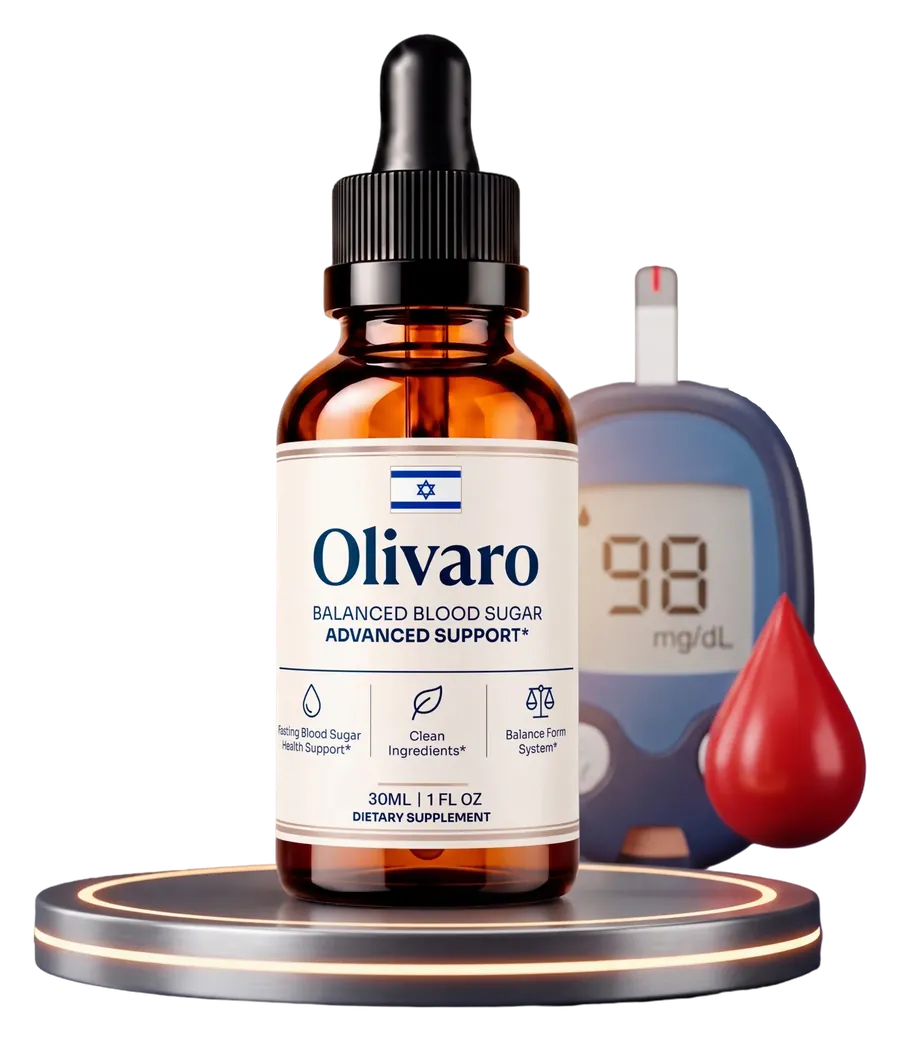
Prediabetes means blood sugar is above normal but below the diabetes cutoff. NIDDK defines it as an A1C of 5.7% to 6.4%, a fasting glucose of 100 to 125 mg/dL, or a 2-hour glucose tolerance result of 140 to 199 mg/dL (NIDDK, Diabetes & Prediabetes Tests).
- NormalA1CBelow 5.7%Fasting glucose99 mg/dL or below
- PrediabetesA1C5.7% to 6.4%Fasting glucose100 to 125 mg/dL
- DiabetesA1C6.5% or higherFasting glucose126 mg/dL or higher
Ranges from NIDDK (NIDDK, Diabetes & Prediabetes Tests). Only a lab test and a clinician can diagnose. Low blood sugar is generally below 70 mg/dL (NIDDK, Low Blood Glucose).
- Diabetes range: A1C of 6.5% or higher, fasting glucose of 126 mg/dL or higher, or a 2-hour result of 200 mg/dL or higher (NIDDK, Diabetes & Prediabetes Tests).
- Confirmation: a diagnosis needs a repeat test, read by a clinician (NIDDK, Diabetes & Prediabetes Tests).
- How common: CDC estimates 115.2 million U.S. adults have prediabetes, based on 2023 data (CDC, National Diabetes Statistics Report).
- Often silent: about 11.0 million U.S. adults with diabetes do not know they have it (CDC, National Diabetes Statistics Report).
Our A1C test guide walks through each test and what to ask after a result.
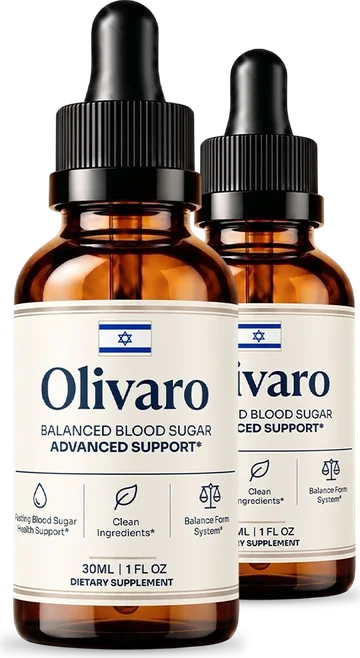
Order Olivaro from the official checkout$49 to $79 a bottle · 60-day refund window · 3+ bottles ship free
Order nowNext step
How do you find a lifestyle change program?
Ask your doctor or your local health department. CDC leads the National Diabetes Prevention Program, a lifestyle change program that reports the same 58% risk cut, and 71% for people over 60 (CDC, Prediabetes).
Bring your latest lab numbers to that conversation. A recent A1C or fasting glucose result helps your care team judge your risk and point you to a fitting program.
Do my numbers put me in the prediabetes range? Is there a lifestyle change program near me or online? When should I repeat my A1C? More prompts are in our list of questions for your doctor.
Symptoms
Which symptoms mean you should get tested soon?
Frequent urination, strong thirst, hunger, fatigue and blurry vision are common signs of high blood sugar. CDC also lists unintended weight loss and frequent infections (CDC, Symptoms of Diabetes).
Type 2 diabetes can add slow-healing sores and numbness or tingling in the hands or feet (CDC, Symptoms of Diabetes). Many people with prediabetes feel nothing at all. That is why a simple blood test matters more than how you feel.
New exercise can lower blood sugar further when you use insulin or a sulfonylurea. Lows are generally below 70 mg/dL and can bring shakiness, sweating, hunger, confusion or a fast heartbeat (NIDDK, Low Blood Glucose). Talk to your doctor before you change any diabetes medicine.
Supplements
Where does a supplement like Olivaro fit after the DPP?
Third in line, at best. Medical care comes first, lifestyle change second, and a supplement only after both, never instead of them.
No study of Olivaro has been published. NCCIH says most supplements lack evidence for diabetes and warns against swapping medical treatment for an unproven product (NCCIH, Diabetes and Dietary Supplements). The ADA adds that, without an underlying deficiency, supplements show no benefit (ADA, Vitamins & Supplements).
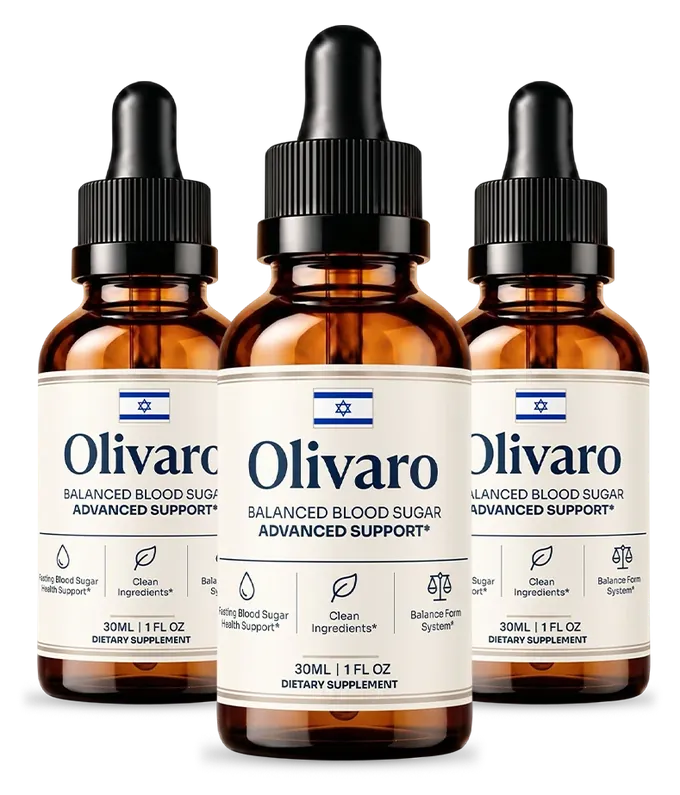
The label itself is modest. It claims "Balanced Blood Sugar Advanced Support*", and the asterisk leads to the standard FDA statement. The FDA does not approve supplements before they are sold (FDA, Using Dietary Supplements).
If you decide to try Olivaro, the label reads: Shake well before each use. Take 1 or 2 droppers full daily. Place in mouth and swallow. Our safety page covers ingredient interactions to raise with a pharmacist first.
Bottom line
What is the one lesson from the DPP?
Modest, steady change beats a quick fix. A 7% weight goal and 150 weekly minutes produced the largest risk cut in the study (NIDDK, Diabetes Prevention Program).
Know your numbers, ask about a lifestyle program, and build the weekly minutes first. We sell Olivaro, and we still rank it well behind those steps.
FAQ
The Diabetes Prevention Program: questions
What was the main finding of the Diabetes Prevention Program?
Lifestyle change aimed at 7% weight loss and 150 minutes of weekly exercise cut type 2 diabetes risk by 58% compared with placebo. In adults 60 and older the cut was 71%. These figures come from the NIH institute that ran the study, NIDDK.
Did metformin work as well as lifestyle change in the DPP?
No. Metformin lowered the risk of type 2 diabetes by 31%, while the lifestyle goals lowered it by 58%. Metformin is a prescription drug, so whether it suits you is a question for your doctor, ideally alongside activity and modest weight loss.
How much weight do I need to lose to lower my diabetes risk?
The DPP aimed for 7% of body weight, and CDC points to about 5% to 7%. For a 200-pound adult that is 10 to 14 pounds. Slow, steady loss over months is the usual pattern, and your doctor can help set a safe pace.
Is prediabetes reversible with diet and exercise?
Lifestyle change can lower the risk of moving on to type 2 diabetes, which is what the DPP measured. Some people see their numbers return toward normal, but results differ. Repeat testing with your clinician is the only way to know where you stand.
Can Olivaro replace a diabetes prevention program?
No. Olivaro is a dietary supplement with no published study of its own, while the DPP lifestyle approach has strong trial results. Treat any supplement as an optional extra after medical care and lifestyle change, and never as a swap for either one.
What A1C level counts as prediabetes?
An A1C from 5.7% to 6.4% is in the prediabetes range, and 6.5% or higher is in the diabetes range. Fasting glucose of 100 to 125 mg/dL also points to prediabetes. A diagnosis needs a repeat test reviewed by a clinician.
Who wrote this
Written and reviewed by
We start from the bottle label, then check every claim against government and peer-reviewed sources linked on the page.
Last updated . Read our editorial standards and how we check reviews. This website is run by an authorized U.S. retailer, not by the manufacturer. We earn money when you buy through our order links.
Keep reading
More about Olivaro


U.S. authorized Olivaro retailer
Ready to try Olivaro?
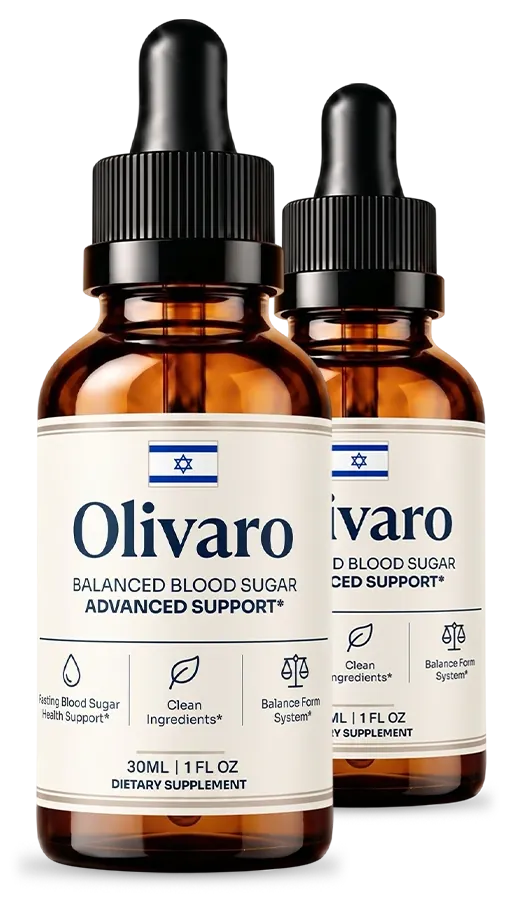
Choose 2, 3 or 6 bottles. At one dropper daily, even the smallest pack outlasts the 30-day use period required before a refund claim.
- Secure checkout
- 60-day money-back
- Ships from the U.S.